Overview: Basement Waterproofing Contractors
Wet basements here follow the calendar. Snow piles against the foundation all winter, the ground thaws from the top down, and meltwater finds a crack or the joint where the wall meets the floor. A waterproofing contractor deals with water coming from outside. A leaking pipe is a plumber's call.
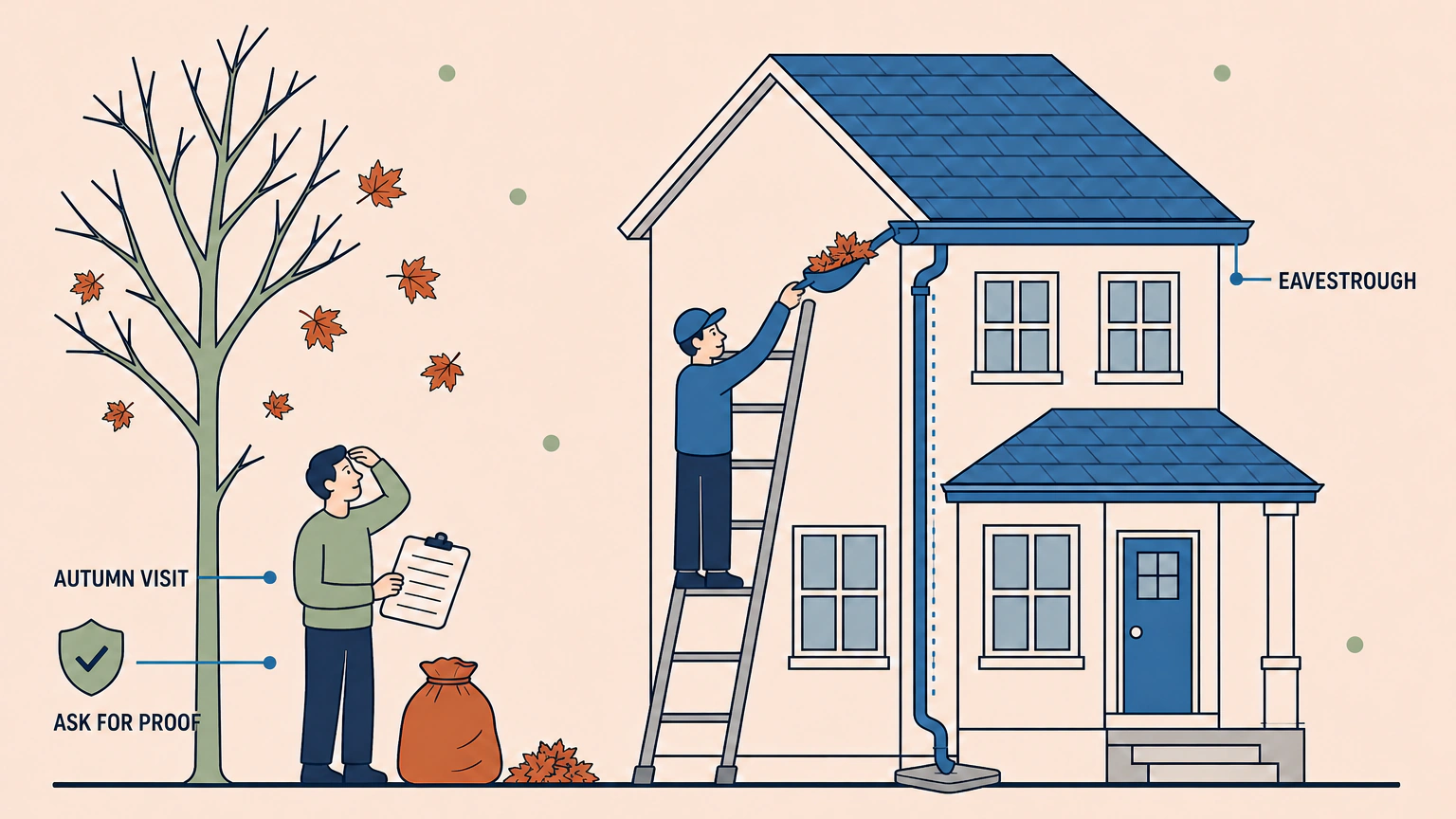
The cheap fixes come first. Eavestroughs should empty well away from the wall, the soil should slope away, and window wells need drainage rather than a season of packed snow. Toronto requires owners to disconnect downspouts from the sewer, with exemptions where that isn't safe or practical. Only then does the talk turn to interior weeping tile and a sump, digging out and membraning the wall, or injecting cracks in poured concrete.
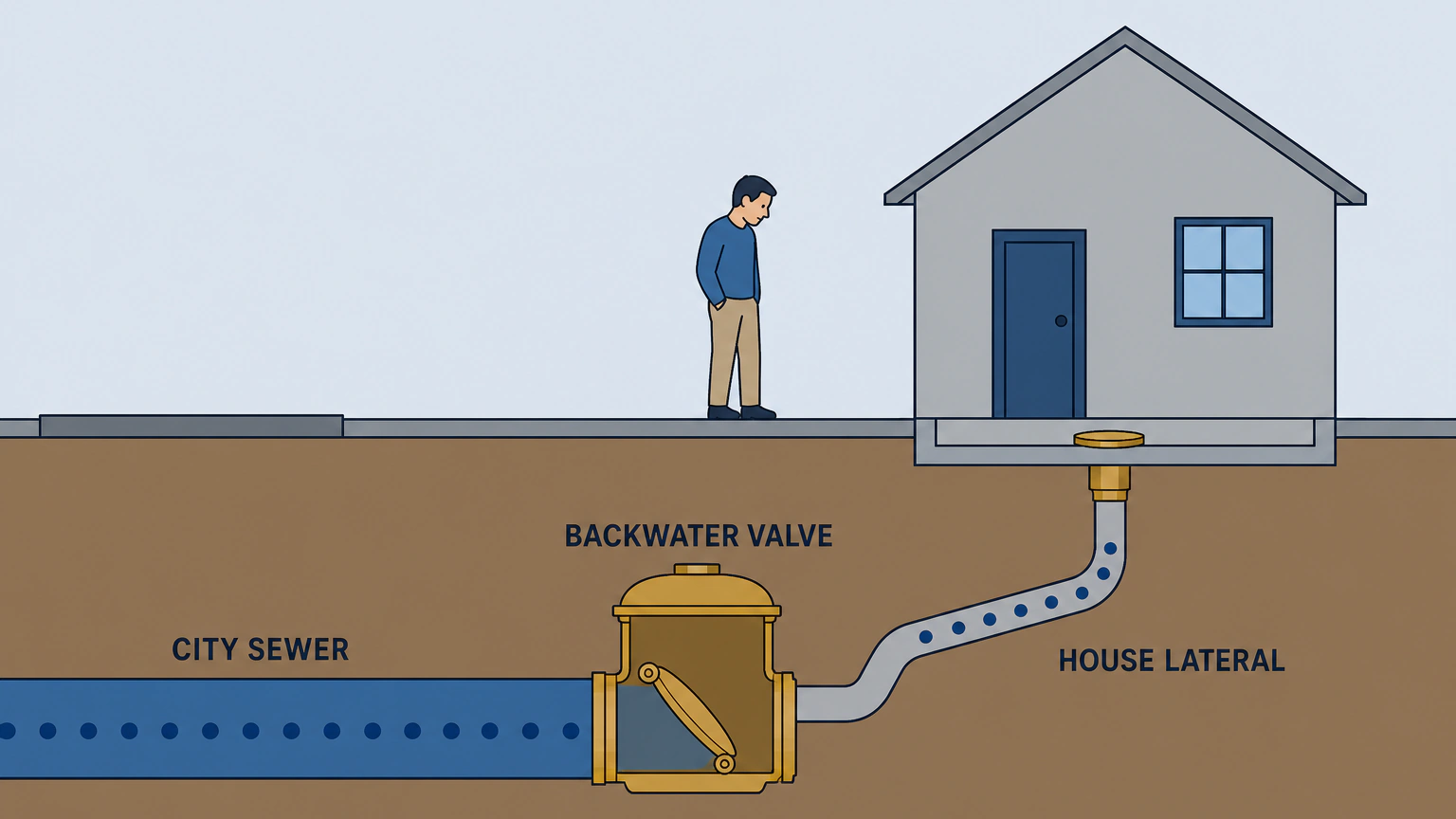
Call your insurer before the work, not after the next flood. The Insurance Bureau of Canada says sewer backup cover is an optional add-on, and overland flood cover is optional too. Some insurers also offer groundwater seepage cover as an option. Some cities help pay for protection. Toronto subsidizes backwater valves and sump pumps put in by licensed contractors. In Ontario, anyone digging around the foundation has to request free locates through Ontario One Call first.
Our listings show what each waterproofing firm states on its own website. Start with your province, then open your city to find contractors who dry out basements there.
What basement waterproofing costs in Canada
Identify how water enters before comparing methods. Crack repair, interior drainage and exterior excavation solve different defined problems.
| Service | Planning budget | What it covers |
|---|---|---|
| Non-structural crack injection | C$500–C$1,500per accessible crack | One accessible non-structural foundation crack confirmed suitable for injection.structural stabilization, excavation and finished-wall restorationWhat this estimate coversIncludes in this budget: Surface preparation, injection material and sealing labour Budget separately or confirm: Structural stabilization, excavation and finished-wall restoration |
| Interior perimeter drainage | C$70–C$150per linear ft installed | An accessible basement perimeter with a practical outlet to a separately specified sump.Measure treated wall length, not basement floor area. A new sump/pump and restoration of finished walls or floors are extra unless bundled.What this estimate coversIncludes in this budget: Concrete strip removal, drainage installation and basic slab reinstatement Budget separately or confirm: New sump/pump unless bundled; Drywall, flooring, furniture removal and structural repairs |
| Exterior foundation waterproofing | C$150–C$400+per linear ft installed | Excavation, membrane and drainage beside an accessible residential foundation; price depends on the measured dig depth and treated wall length.No single excavation depth is assumed. Get depth and linear footage in writing; deep foundations, shoring, rock and tight access can exceed this range.What this estimate coversIncludes in this budget: Ordinary excavation, membrane, drainage allowance and backfill Budget separately or confirm: Shoring, deep/rock excavation, structural repair and finished landscaping |
| New sump and pump installation | C$2,000–C$3,000per specified system | A standard sump pit, primary pump and short practical discharge route; ordinary basement access.New pit, primary pump and ordinary discharge setup. A replacement pump in an existing pit is a different, smaller job; backup is separate.What this estimate coversIncludes in this budget: Pit, primary pump, check valve, discharge and ordinary installation Budget separately or confirm: Battery backup, extensive trenching and main electrical upgrades; Major floor/finish restoration and separately charged permits |
| Battery backup sump-pump addition | C$800–C$2,500per installed system | A compatible existing sump with space for a separate battery-powered backup pump.Addition to a suitable existing sump; not the total price of a new primary sump system. Confirm battery, controls and compatibility. Add this only when it is needed and is not already included in the agreed package.What this estimate coversIncludes in this budget: Backup pump, battery, charger/control and installation Budget separately or confirm: New pit, main pump replacement and major discharge alterations |
What changes the price
- Diagnosed water source and suitability of the proposed method
- Excavation depth, access, soil and buried utilities
- Discharge route, electrical supply and restoration of finishes
Ask before accepting a quote
- What water source have you identified, and why does the proposed repair address it?
- How many linear feet and what excavation depth are included, and what happens if access, soil or foundation conditions differ?
- Are the sump, discharge route, electrical work, restoration and warranty included or separately itemized?
Choose the method before comparing rates
- A crack repair is not a lower-priced substitute for a required drainage system
- List structural repair and mould remediation separately if the assessment identifies them
Canadian context
Confirm the permitted discharge arrangement with the local authority; subsidy availability should be verified for the property and date.
Planning amounts in Canadian dollars. Published tax treatment varies; confirm applicable taxes and the final total in your written quote. Rows can be different services, alternative packages or separately priced extras. Add only work that is needed and not already included in your quote.
Frequently asked questions
Why is water getting into my basement?
Usually because water is being sent there. Downspouts empty beside the wall, soil settles toward the house, or a window well fills with snow that melts in one warm week. Frost makes it worse, since frozen ground can't absorb the melt. Note when it happens. Water during spring thaw or heavy rain points outside, while water in a dry spell points to groundwater or a leaking pipe.
Should the fix go outside or inside?
Outside stops water at the wall, but it means excavating around the foundation, and the ground has to be workable, which rules out deep winter. Inside handles water that's already arrived, carrying it through weeping tile to a sump. In Ontario, any outside dig needs locates from Ontario One Call first. Either way, sort the eavestroughs and grading, or the new system fights a losing battle.
What makes a sump pump setup reliable?
A deep pit with a sealed lid, a check valve so water can't flow back, and a discharge that ends well away from the foundation. In a Canadian winter, the outlet also has to stay clear of ice, or the pump runs against a frozen pipe. The storm that floods a basement often cuts the power too, so a battery backup earns its place. Test the pump before spring melt.
Will my home insurance pay for water in the basement?
Only with the right add-ons. The Insurance Bureau of Canada says basement damage from a sewer backup is covered only if you bought sewer backup coverage. Overland flood cover is optional as well, and some insurers offer groundwater seepage cover as an option. Read your policy before hiring anyone, and ask your insurer whether a backwater valve or sump pump changes what they'll offer.
Who should look at a crack in the foundation?
A thin vertical crack in poured concrete is common and usually a leak to seal. Horizontal cracks, stair-step cracks in block, inward bowing, or doors that suddenly stick call for a structural engineer you hire yourself. In Quebec, the Régie du bâtiment warns that pyrite under foundations can heave and crack a slab, and pyrrhotite can crack concrete, so an engineer should see those cracks too.